Wednesday, 28 January 2015

السودان: إغلاق مركز الأستاذ محمود محمد طه الثقافي

السودان: إغلاق مركز الأستاذ محمود محمد طه الثقافي

28 يناير 2014م
تعبر منظمة حقوق الإنسان (السودان) عن بالغ قلقها للوضع السيء والمتردي لأوضاع حقوق الإنسان في السودان في ظل إستمرار الحكومة السودانية تصعيد حملتها الأمنية للتعدي على الحريات الخاصة والعامة حيث داهمت السلطات الأمنية في صبيحة الجمعة الثامن عشر من يناير 2015، مركز الأستاذ/ محمود محمد طه الثقافي، ورفضت للمئات من أنصاره  إحياء ذكراه الثلاثين التي تعتبر تقليدا راسخا درج عليه مناصروه منذ أن أعدمه نظام المشير جعفر محمد نميري في الثامن عشر من يناير 1985، حيث حضر عدد من الأفراد يتبعون لجهاز الأمن لمقر المركز بضاحية الثورة بإمدرمان، ونقلوا إلى المسئولين فيه ضرورة إلغاء الإحتفائية بحجة عدم حصول المركز على ترخيص جديد للعمل وأمروا بفض الإحتفال، وأكدوا صدور أمر بإغلاق المركز وقاموا بإخراج الحضور وإغلاق أبوابه.

خلفية:
كانت السلطات قد رفضت تسجيل الحزب الجمهوري  في الأول من مايو عام 2014، حيث أصدر مجلس شئون الأحزاب السياسية في السودان قرارا برفض طلب تسجيل الحزب الجمهوري بعد أن تقدموا في الثامن من ديسمبر سنة 2013، بطلب لتسجيله، وفي الثالث والعشرين من فبراير 2014، تم نشر الطلب عبر ثلاث صحف سودانية وفق ما تنص عليه لائحة مجلس شئون الأحزاب وذلك عندما تقدم عدد من الأفراد بطعن للمجلس مما أدى إلى رفض تسجيل الحزب واستند المجلس في تعليل رفضه على أحكام المادة (1/5) من الدستور القومي الانتقالي لسنة 2005، التي تنص: على أن تكون الشريعة الإسلامية والإجماع مصدرا للتشريعات التي تُسن على المستوى القومي وتطبق على ولايات شمال السودان والمادة (14/ط) من قانون الأحزاب السياسية لسنة 2007، التي تنص على لا يمارس أو يحرض على العنف ولا يثير النعرات والكراهية بين الأعراق والديانات والأجناس.

إن منظمة حقوق الإنسان (السودان)، ترفض قرار إغلاق مركز الأستاذ محمود محمد طه و إجراءات منع تسجيل الحزب الجمهوري الذي يعود تاريخ إنشائه للعام 1946، وقد تم إعدام رئيسه الأستاذ محمود محمد طه بتهمة الردة في يناير عام 1985، في محاكمة شهيرة إفتقرت لأبسط مقومات العدالة وليست هذه الحالة هي الأولي من نوعها على الإعتداء على حرية التعبير والتنظيم فقد سبقتها حالات مماثلة حيث تم حظر النشاط السياسي .
تطالب منظمة حقوق الأنسان (السودان) السلطات السودانية بالتراجع عن قرار إغلاق مركز الأستاذ محمود محمد طه والكف عن إغلاق دور منظمات المجتمع المدني وطرد المنظمات الإغاثية والسماح لها أن تمارس دورها الإغاثي والإنساني في حرية تامة، ، والكف عن التضييق المستمر على أنشطة المراكز التي تعمل على الدفاع وتعزيز حقوق المرأة في السودان بجانب دورها التثقيفي والتنويري.
 كما تطالب المنظمة الحكومة السودانية التوقف عن الإعتداءات المتواصلة على المدافعين عن حقوق الإنسان في السودان. بناء على الدستور الإنتقالي لسنة 2005، الذي يكفل حرية التنظيم وتكوين الجمعيات، وأن تراعي نص المادة (21) من العهد الدولي الخاص بالحقوق المدنية والسياسية التي تنص: (لكل فرد حق في حرية تكوين الجمعيات مع آخرين بما في ذلك حق إنشاء النقابات والإنضمام إليها من أجل حماية مصالحه) مقروءه مع المادة 40/1 من الدستور الإنتقالي السوداني لسنة 2005، التي تكفل حق التجمع السلمي لكل فرد أو جماعة، وكذلك الحق في تكوين الأحزاب والجمعيات والنقابات والإنضمام لها.
 للإتصال: أيمن عادل أمين - السويد - 0046709141071

Thursday, 15 January 2015

Open letter concerning the continued detentions without charge of Dr Amin Mekki Medani, Mr Farouq Abu Eissa, and Dr Farah Ibrahim Mohamed Alagar

Open letter concerning the continued detentions without charge of Dr Amin Mekki Medani, Mr Farouq Abu Eissa, and Dr Farah Ibrahim Mohamed Alagar


14 January 2015

Update: Open letter concerning the continued detentions without charge of Dr Amin Mekki Medani, Mr Farouq Abu Eissa, and Dr Farah Ibrahim Mohamed Alagar

Dear Ms Alapini-Gansou, Ms Tlakula, Mr Mute, Mr Forst, Mr Kaye, Mr Nononsi ,Mr Andenas and Mr Mendez,

Further to the joint letter signed by fourteen organisations on 19 December 2014, the African Centre for Justice and Peace Studies, the International Federation for Human Rights (FIDH), and the World Organisation against Torture (OMCT) are writing to update you on the continued detention without charge of human rights lawyer Dr Amin Mekki Medani , (m), 75 years of age, and activists Mr Farouq Abu Eissa (m), 78 years of age, and Dr Farah Ibrahim Mohamed Alagar, (m) 60 years of age, by the Government of Sudan. The group is thought to be under investigation by Sudan’s National Intelligence and Security Services (NISS) for crimes against the state.

Dr Amin Mekki Medani, Mr Farouq Abu Eissa, and Dr Farah Ibrahim Mohamed Alagar were held incommunicado by the NISS until 21 December 2014, when they were transferred from NISS custody to Kober Prison in Khartoum. The same day,Dr Farah Ibrahim Mohamed Alagar was allowed to receive a 30 minute visit from his family. The visit was attended by the NISS, who reportedly ordered him not to discuss the treatment and conditions of his detention.

On 22 December 2014, the three men were permitted to meet with a team of lawyers. The same day, Mr Farouq Abu Eissawas briefly taken to Alamal Hospital, a hospital owned by the NISS, due to high blood pressure, and also received a visit from his family. Dr Amin Mekki Medani received a visit from his family on 24 December 2014. His family has since been permitted to bring him food that is compatible with his health needs as a diabetic.

As of 14 January 2015, formal charges have not been confirmed by the Government of Sudan.

On 21 December 2014 seven members of the NISS raided the offices of the Sudanese Human Rights Monitor (SHRM) in Khartoum, founded by Dr Amin Mekki Medani. A workshop on the Universal Periodic Review of Sudan taking place on the premises was stopped and participants required to leave. One participant, Mr. Mohamed Al Fateh Hima, was arrested by the NISS and released later the same day without charge. Mr. Hima is a journalist at Al Midan newspaper and a member of the secretariat of the independent Sudanese Journalist Network. A number of laptops and documents were confiscated.

Background

Dr Amin Mekki Medani and Mr Farouq Abu Eissa were arrested by National Intelligence and Security Services (NISS) from their homes in Khartoum shortly before midnight on 6 December 2014. Dr Farah Ibrahim Mohamed Alagar was arrested by the NISS from his home in Omdurman in the early hours of 7 December 2014. Their arrests are believed to be connected to their participation in the “Sudan Call” political negotiations held in early December in Addis Ababa. The negotiations brought together Sudanese political and armed opposition groups.

Their continued detention is thought to be connected solely to the peaceful expression of their beliefs in favour of democratic principles and peace and security in Sudan, in violation of the lawful exercise of their rights guaranteed under Sudan’s Interim National Constitution (INC), the African Charter on Human and Peoples’ Rights (ACHPR), and the International Covenant on Civil and Political Rights (ICCPR).

Although their families were not informed of the reasons for the arrests, the men were detained after attending the “Sudan Call” political negotiations on 3 December in Addis Ababa. The “Sudan Call” is a declaration that commits signatories to work towards the end of the conflicts raging in different regions of Sudan. The document also pledges to work towards legal, institutional and economic reforms. Dr Amin Mekki Medani signed the document on behalf of a group of civil society actors.Mr Farouq Abu Eissa signed on behalf of the Sudanese National Consensus Forces – an umbrella of political opposition parties – in his capacity as Chairperson of that group. Dr Farah Ibrahim Mohamed Alagar did not sign the document.

Dr Medani is a prolific member of the Sudanese human rights movement. He was the Chairperson of the organisation Sudanese Human Rights Monitor, FIDH member organisation in the country, and is currently an Executive Board member of over six non-governmental human rights organizations and legal associations. Dr Medani has also worked for various international organisations including as the head of the OHCHR in the West Bank, Gaza and Croatia and as a legal adviser to the Special Representative of the U.N. Secretary-General in Iraq and Afghanistan.

Mr Farouq Abu Eissa is the Chairperson of the National Consensus Forces, an umbrella of political opposition groups in Sudan, and has a long history of political activism. He has been one of the most preeminent voices in calls by Sudan’s opposition parties for democratic transformation in Sudan. He is the former Secretary General of the Arab Lawyers’ Union and the National Democratic Alliance.

Dr Alagar is a retired officer from the Sudan Armed Forces and was formally the chairperson of the National Congress Party (NCP) in Blue Nile state. He was dismissed from the ruling party in December 2012, reportedly because he expressed views diverging from the official NCP line, including on the possibility of power sharing in Blue Nile state between the NCP and Sudan Peoples’ Liberation Movement-North (SPLM-N). He was later engaged in April 2014 as an independent conflict resolution expert by the SPLM-N to attend ongoing peace talks in Addis between the SPLM-N and the Government of Sudan.


Thursday, 8 January 2015

HRW; Sudan: Soldiers, Militias Killing, Raping Civilians

Urgent Need for UN, AU Investigation in Blue Nile, Southern Kordofan
DECEMBER 15, 2014
Entire communities are trapped in camp-like conditions behind government lines, terrorized by government forces. In addition to indiscriminate bombing, Sudanese government forces are getting away with abusive and illegal tactics under a guise of counterinsurgency, including rape, arbitrary detentions, and killings.
Daniel Bekele, Africa director
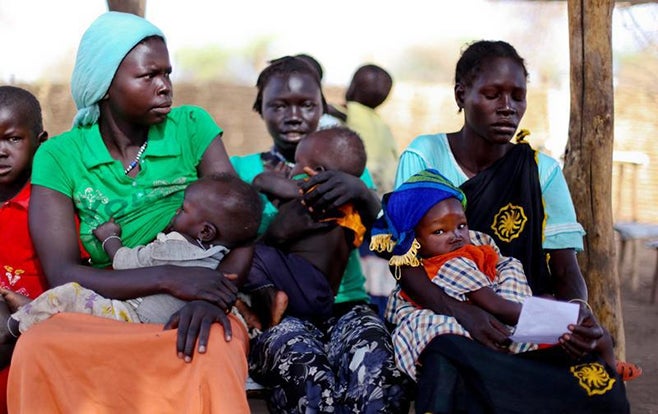
(Nairobi) – Sudanese government forces and allied militias are unlawfully killing and otherwise abusing civilians in government-held areas in Sudan’s Blue Nile state. Dozens of civilians who fled the government held areas and sought refuge in South Sudan described killings, rapes, and beatings to Human Rights Watch.

Accounts by refugees from Blue Nile who arrived recently in South Sudan and were interviewed by Human Rights Watch provide a rare glimpse into conditions of life under government control and point to clear patterns of abuse, including sexual violence.

“Entire communities are trapped in camp-like conditions behind government lines, terrorized by government forces,” said Daniel Bekele, Africa director at Human Rights Watch. “In addition to indiscriminate bombing, Sudanese government forces are getting away with abusive and illegal tactics under a guise of counterinsurgency, including rape, arbitrary detentions, and killings.”

Among the refugees Human Rights Watch interviewed, five said they were raped by members of government security forces or armed militia, and twelve said relatives had been raped. Some women said security forces detained them, then took them away and raped them. Refugees also reported being detained and subjected to ill-treatment and torture. Most of the reported incidents took place within the past year.

Since conflict erupted in Southern Kordofan and Blue Nile states in 2011, civilians living in the rebel-held areas of both states have borne the brunt of Sudan’s indiscriminate aerial bombardments and ground attacks that have killed and maimed civilians and displaced hundreds of thousands of people. But there has been little information about conditions in government-held areas in both states as Sudan has not allowed human rights investigators access.

During a five-day research trip in November 2014, Human Rights Watch researchers interviewed 42 refugees in South Sudan’s Maban County, and six internally displaced people inside Blue Nile state. The refugees, including 17 women and girls, had recently fled abusive treatment in government towns or villages.

The vast majority were Ingessana, the ethnic group of Malik Agar, the commander of the Sudan People’s Liberation Army-North (SPLA-North), the main rebel group fighting the Sudanese government. The Ingessana appear to have been targeted because of their perceived support for the rebels. They had fled their homes during the night – in some cases leaving some children and family members behind – and walked more than 150 kilometers with little food or water to reach South Sudan, arriving in late October or early November.

Almost half of the refugees said they had experienced sexual violence themselves, have an immediate family member or neighbor who had, or had witnessed sexual assaults. Sexual violence occurred during home raids or house-to-house searches by security forces.

“They raped me one after the other and they beat me,” said Hawa, 20, who was raped by soldiers following her arrest at a market in the small town of Musfa earlier in 2014. “I tried to resist and they pulled me to the ground and [when they were finished] they left me.” She lost consciousness and was taken to the hospital in the state capital, Damazin, where she remained for 10 days, she said.

Several relatives of rape survivors said they were beaten up, threatened, or turned away when they tried to report the rapes to local authorities, police, or army officials.

“The number of rapes reported to us, often in harrowing detail, suggests that sexual violence is part of the government’s counterinsurgency strategy,” Bekele said. “The scale of reported abuses points to the urgent need for an international investigation in both rebel- and government-controlled areas.”

Given the scope and persistent nature of the human rights and humanitarian law violations by government forces across Blue Nile and Southern Kordofan since 2011, the United Nations Security Council should immediately establish an international commission of inquiry and impose an arms embargo against the Sudanese government and individual sanctions against human rights violators from all parties. The African Union should support these steps or establish an inquiry of its own, Human Rights Watch said.

Many refugees said they or their relatives were beaten or detained, including when they tried to leave the government-controlled towns or villages. Some of the men who had been detained said that government authorities tried to force them to join the Sudanese army; several described severe beatings and torture by security forces. One 21-year-old farmer who was detained with 13 other men said two of them died from beatings in custody.

The refugees attributed most of the abuses to Sudanese forces, including its Rapid Support Force (RSF), a new security force under the command of Sudanese National Intelligence and Security Services. The RSF has carried out attacks on civilians in Darfur and Southern Kordofan over the last year. Many of the refugees also described rapes, killings, harassment, and cattle theft by a militia drawn from the Fellata – a nomadic ethnic group whose members the Sudanese government has recruited into auxiliary forces since conflict erupted in Blue Nile.

“Under Russian and Chinese pressure, the UN Security Council hasn’t delivered on its threat of sanctions, and has left persecuted civilians across Blue Nile and Southern Kordofan to fend for themselves,” said Philippe Bolopion, United Nations director at Human Rights Watch. “The Security Council should wake up to the tragedy unfolding in South Kordofan and Blue Nile, verify the facts, and impose both an arms embargo on the government and targeted sanctions on individuals responsible for the abuses.”
The Conflict in Blue Nile
Conflict between the Sudanese government and rebel SPLA-North – a spin-off of the rebel movement that fought for independence for South Sudan – spread to Blue Nile in September 2011, five months after it started in Southern Kordofan following disputed state elections.

Since then, government attacks on civilians and persistent indiscriminate bombing in the rebel areas of both states have forced hundreds of thousands of people to flee. Sudan’s refusal to allow humanitarian aid into rebel-held areas, in violation of international law, has deprived communities of food and basic services. The bombing and deprivation of aid has forced more than 170,000 people to flee to refugee camps in South Sudan andEthiopia, and others to cross into government-controlled areas in search of food and essential services.

During a trip into a rebel-held part of Blue Nile state, Human Rights Watch found many villages empty, with fields fallow or overgrown. Remaining civilians, many of them displaced from their own villages by bombing or fighting, said they lacked food, medical care, education, and other basic necessities.

The resumption of bombing by Sudanese forces in mid-November has made the journey to South Sudan even more dangerous for refugees. Sudan bombed several locations in Blue Nile state and along the border with South Sudan, killing a 35-year-old mother of seven on November 12, 2014.

Fleeing Abuse 
Dozens of refugees in South Sudan told Human Rights Watch they had fled abusive treatment in several government-held towns or villages along the road connecting Damazin, the state capital, and the town of Kormuk on the Ethiopian border. The abuses – often during house-to-house searches for rebels – included rapes, beatings, and theft.

Most described the government-held areas they left as camp-like settings in which they were forced to live in close proximity to government military barracks. They said that soldiers or government-aligned militia used force to impose curfews and restrictions on movement and food purchases. The soldiers routinely accused them of links to the rebel SPLA-North, and carried out various abuses including stealing their crops or livestock. Some reported attempts by soldiers to recruit children under 15 into the army, although none of those interviewed said the recruitment attempts had affected their immediate families.

Refugees said that they fled at night to avoid detection and took routes to circumvent Sudanese forces. They travelled in small groups and joined others along the way. Some said rebel forces guided them, but others said they made the journey without assistance. Many left their smallest children behind, bringing only those who could walk, a few belongings, and small amounts of food and water for the journey, which lasted from one week to 10 days in most cases.

“We walked at night and rested during the day,” said one 19-year-old woman who fled Mediam with her husband and child, walking for 10 days. “We didn’t eat. We just had water and leaves. We dug roots.”

Sexual Violence
Seventeen of the refugees interviewed reported specific incidents of rape or sexual violence at the hands of soldiers or militia. Some provided names of young women in their towns who had been forced into marriages with members of the military or militia.

Ramadan, a 27-year-old veterinarian from Musfa, said soldiers and Fellata militia raped his aunt, beat his uncle, and stole money and a phone while raiding their family compound on August 25. He said he took his aunt to the hospital. “The soldiers took turns raping her, one after the other,” he said. “We went to the police station to report, but instead of taking the information they wanted to beat us. They said that if we tried to come back and continued saying this, they would beat us.”

Hawa, 20, from Musfa, said that during Ramadan in June and July, a group of soldiers arrested her in the market and took her to an isolated place, where they raped her. “They raped me one after the other and they beat me,” she said. “I tried to resist and they pulled me to the ground and then they left me.” She lost consciousness and was taken to the hospital in Damazin, where she remained for 10 days, she said.

Ibrahim, a 26-year-old man from Musfa, said that he witnessed a group of armed Fellata militia men attack and rape two women around the same time:
They were taking turns raping the women.… The women were crying and saying please, come help us. Nobody came. I was hiding in the grass, maybe 100 meters away. I knew them very well. They came to the village every day.… I was supposed to help them but the Fellata would have shot me.
Mohammed, a farmer and father of six living in Khor Maganza, a town where refugees were forced to live near a military barracks in a camp-like setting, said that in mid-2014 the RSF had raped his wife in their home:
I was sitting with my wife and six kids. They came and threatened me with a gun. They were eight men in uniforms and they were all RSF. They said ‘go away’ and pointed the guns at me. I ran far away. When I came back an hour later, my wife was in the house and she was crying. She said that these people slept with her and did bad things to her. Two of the soldiers raped her.
Amira, a 14-year-old girl who had lived with her family in Khor Maganza, told researchers that in September soldiers arrested her, her sister, and her mother, and took all three of them to a military barracks, then raped them in separate locations before bringing them home. “We were raped by different soldiers and taken to different places,” she said. “Four soldiers raped me.”

Intisar, 18, who also had been living in Khor Maganza, said that during an incident last year she heard soldiers raping her neighbor, a 14-year-old girl, as government soldiers took turns guarding the house. “It lasted more than an hour,” Intisar said. “I could hear her from my house. She was crying and calling for help, but nobody would come.”

Aziza, a 19-year-old from another town, Sinjanabuk, said that during Ramadan soldiers from a nearby barracks attacked and raped her during a house-to-house search:
There were five men, wearing khaki and holding weapons. They came into my house. I was alone with my mother-in-law.… The men were looking for my husband. They said he is anyanya [rebel] and told me I have to tell the truth where he is. They sent my mother-in-law outside and two of them raped me in the bedroom and the other three stood outside.
Raids, House-to-House Searches 
The majority of refugees interviewed said soldiers carried out raids and house-to-house searches, ostensibly in search of rebels, during which they also beat, sexually abused, and arbitrarily detained civilians and stole their personal property.

Many of those who fled Khor Maganza said the soldiers were joined by damseri, meaning the RSF. The RSF carried out massive ground attacks on dozens of villages in south and north Darfur earlier in 2014, burning and looting homes and shops and killing and robbing civilians, targeting areas where they accused the population of sympathizing with the rebels.

Abdelrahman, 30, said the forces periodically “would come to your house and they would beat people. They would ask many questions like: ‘Do you have brothers? Are they with SPLA-North?’ They came in trucks and were wearing uniforms, searching the houses. They took telephones.”

Mohammed, a 49-year-old man from Khor Maganza said the RSF raided his home four times:
The last time they arrived in pick-up trucks with machine guns, surrounded the camp [town], came in, and started beating people for no reason.… They said my brother was with the rebels. Four soldiers beat me. They asked me to lie down on the ground and beat me with sticks and their feet. I was in pain for many days.
Jalila, a 19-year-old from Kumreek, also lived in Khor Maganza and recalled a similar raid, during which her brother was arrested:
They were going to many houses and arresting the men. They were accusing us of feeding the SPLA-North.… I saw the soldiers come. They were many in groups of three or four. They entered houses and asked for phones and numbers and looked through our belongings.
Refugees from other neighboring villages described similar raids, during which they or family members were beaten, raped, or detained by RSF and Sudanese Armed Forces (SAF).

“They first arrived in August but they would come and go,” said Issa, a 28-year-old father of five who had lived in the small town of Musfa. “They took everything from us, even the property of the kids, a bag, clothes, and a donkey to carry the stolen property.”

A 30-year-old man from Khor Adar, near Musfa, said: “One day in August they came at night and said the rebels lived here. They collected [many people] and started beating us with sticks. Some arrived in August but most arrived in September and everything got much worse.”

Idris, an 18-year-old boy from nearby Bulang, said the RSF had come four times during 2014 to conduct roundups: “The damseri [RSF] came and burned huts of civilians…. They suspect there are rebels inside. They took a motorcycle one time.”

Arbitrary Detentions, Ill-Treatment, Torture
At least 12 people said that they were detained or that close family members had been detained at various times since the conflict started. Former detainees described harsh conditions and beatings by security forces.

Rahama, a 21-year-old man from Bulang, said that in March soldiers arrested him and 13 other men in the middle of the night during a roundup: “I was sleeping and they came and asked for the men…. They tied my hands and asked who I belong to. I said I am just a farmer. Then they beat me and tied my feet and put me in a truck.”

The group was detained in an underground cell in Deirang for several hours, then transferred to a prison in Roseris, where they were held without charge for three months. The prison officers beat the detainees so severely that two of them died, he said. Human Rights Watch could not verify the deaths.

Amna, a 26-year-old woman from Bagis, near Damazin, said that about a year ago government soldiers came to her house and beat her and arrested her for giving food to rebels, which she said she admitted doing. They detained her in a military prison in Damazin for more than a month:
There were some other women outside the cells but I was alone inside. They would give me food sometimes once every two days. Every day they beat me … they would tell me to have sex with them but when I refused they would beat me. They slapped me in the face and beat me with a plastic rod.
Jalila, a 19-year-old woman from Kumreek, also displaced to Khor Maganza, said her brother Bashir was arrested in August during a roundup. “They were going to many houses and arrested many men,” she said. He was taken to Deirang and Roseris prison, where he was held for a week. “He had wounds on [his] back from the beatings with sticks.”

Hawa, a 20-year-old from Musfa, said soldiers arrested her brother at their home earlier in 2014, detained him for about a month in Bulang and Roseris prison, and beat and tortured him:
He said he was tortured with pliers. Some skin is still scarred. When he came back he was weak and his body was wounded. He was sick with skin disease. He could not move and is still not able to work…. When I tried to greet him he could not raise his hand. 
Human Rights Watch documented arbitrary detentions and abuse of detainees in Damazin and Roseris shortly after conflict erupted in 2011. Several of the refugees newly arrived to South Sudan in 2014 reported similar experiences from the same period.

Sidiq, 25, from Fadamiya said at the beginning of the war in 2011 that he was arrested and detained for two months in a military prison in Damazin with 50 others, and frequently beaten on his back with a pipe or stick:
The situation was not good, there was not enough food, only one [piece of] bread in the morning and one in the evening. I was very hungry. I lost some weight and was feeling weak. One of my brothers is in SAF and came to get me out. He asked them why they had taken me [since] I was a civilian.
Ahmed, 32, from Kumreek, said he was detained in 2011 because he refused to join the army. Soldiers took him to the Roseris prison together with others who refused to join the army: “It was 5 a.m. when they took me. They tied my hands in the back and took me to their commanders. They said I was anyanya [rebel].… They told me to go a SAF training camp but I refused.” He was detained for three months. In prison, he said conditions were harsh, without enough food or soap, and he saw many of the other inmates being beaten badly. “They make people lie on their stomach, tie their legs with chains, and then whip them,” he said. 

Abusive and Discriminatory Enforcement of Movement and Food Restrictions 
Many of the refugees said that after conflict started in 2011, soldiers forced them to move from their villages or fields to camp-like settings with others displaced by the conflict near government military barracks.

Although curfews, certain restrictions on movement, or food rationing may be justified on security grounds in times of armed conflict, international law prohibits excessive use of force, beatings, rapes, arbitrary confiscation of property, theft, and other violations that the refugees described as routine in these government-controlled areas.

“Many people tried to leave but were not allowed,” said Idris, an 18-year-old boy from Bulang. He said soldiers curtailed movement at night, sometimes by shooting people.

“We were not allowed to walk far from the camp. If they found you, they would beat you,” said Intisar, an 18-year-old woman from Khor Maganza.

Many refugees from several locations specified that armed Fellata militias, rather than soldiers, were abusive in enforcing restrictions on civilians.

Hanan, mother of five from Musfa, said: “Since the conflict started, we had a hard time because of the Fellata. This year we could not cultivate because of the harassment. There was no way to reach the fields.”

An 18-year-old youth from Sinjanabuk said: “There is no freedom of movement because of the Fellata – they will beat you. They say to civilians ‘you are rebels’ and when they see you walking on the road they say you belong to Malik Agar [the commander of the SPLA-North].”

Several people said that soldiers confiscated food that aid groups had distributed, allowing the civilians to take only small quantities at a time ostensibly to prevent them from giving it to rebels.

Siham, a 16-year-old girl from Bulang, said that soldiers routinely harassed the women for grinding too much millet, and confiscated food after a distribution by a humanitarian organization: “There was a food distribution and SAF came to search for it after the NGO left. The soldiers took half of what we got.” 

Open letter concerning the arbitrary arrest and incommunicado detentions of Dr Amin Mekki Medani, Mr Farouq Abu Eissa, and Dr Farah Ibrahim Mohamed Alagar


Open letter concerning the arbitrary arrest and incommunicado detentions of Dr Amin Mekki Medani, Mr Farouq Abu Eissa, and Dr Farah Ibrahim Mohamed Alagar

To:

AFRICAN COMMISSION ON HUMAN AND PEOPLES’ RIGHTS: SPECIAL RAPPORTEUR ON HUMAN RIGHTS DEFENDERS, MS REINE ALAPINI-GANSOU; SPECIAL RAPPORTEUR ON FREEDOM OF EXPRESSION AND ACCESS TO INFORMATION, MS FAITH PANSY TLAKULA; COMMISSIONER ON THE HUMAN RIGHTS SITUATION IN SUDAN, MR LAWRENCE MUTE

UNITED NATIONS: SPECIAL RAPPORTEUR ON THE SITUATION OF HUMAN RIGHTS DEFENDERS, MR MICHEL FORST; SPECIAL RAPPORTEUR ON THE FREEDOM OF EXPRESSION, MR DAVID KAYE; INDEPENDENT EXPERT ON THE SITUATION OF HUMAN RIGHTS IN SUDAN, MR ARISTIDE NONONSI; CHAIR-RAPPORTEUR OF THE UNITED NATIONS WORKING GROUP ON ARBITRARY DETENTION, MR MADS ANDENAS; SPECIAL RAPPORTEUR ON TORTURE, MR JUAN ERNESTO MENDEZ

Open Letter concerning the arbitrary arrest and incommunicado detentions of Dr Amin Mekki Medani, Mr Farouq Abu Eissa, and Dr Farah Ibrahim Mohamed Alagar by the Government of Sudan

Dear Ms Alapini-Gansou, Ms Tlakula, Mr Mute, Mr Forst, Mr Kaye, Mr Nononsi ,Mr Andenas and Mr Mendez,

The African Centre for Justice and Peace Studies, Bahrain Center for Human Rights, the Cairo Institute for Human Rights Studies, the Darfur Bar Association, the East and Horn of Africa Human Rights Defenders Project, Human Rights Watch, the International Federation for Human Rights, the International Refugee Rights Initiative, Journalists for Human Rights, the Moroccan Human Rights Organisation, REDRESS, the Sudanese Human Rights Monitor and the World Organisation against Torture are writing to urge you to act upon our request to call upon the Government of Sudan to release the human rights lawyer Dr Amin Mekki Medani and activists Mr Farouq Abu Eissa and Dr Farah Ibrahim Mohamed Alagar without charge from Sudanese National Intelligence and Security Services’ (NISS) custody. As outlined further below, their detentions are thought to be connected solely to the peaceful expression of their beliefs in favour of democratic principles and peace and security in Sudan, in violation of the lawful exercise of their rights guaranteed under Sudan’s Interim National Constitution (INC), the African Charter on Human and Peoples’ Rights (ACHPR), and the International Covenant on Civil and Political Rights (ICCPR).

We are sending this letter to you in your capacities as Special Procedure mandate holders as it engages your respective mandates. We are aware of the UN High Commissioner for Human Rights’ public statement of 12 December 2014 urging the Government of Sudan to “release the three men in the absence of valid legal charges or promptly charge them with a recognizable offence and bring them before a judge with guarantees of their fair trial rights.” Notwithstanding the OHCHR’s call, all three men remain in incommunicado detention. They continue being denied visits from their families and lawyers and their continued detention raises serious concerns for their health and safety.

Both Dr Medani and Mr Abu Eissa are in their seventies and have specific medical needs as both are diabetic. Dr Medani has high blood pressure and NISS prevented him from taking his medication with him upon arrest. Mr Eissa suffers from cyanosis. The families of both men have sought to provide them with food, also given their health condition and dietary requirements, but the NISS officials refused to receive it.

Our organisations are unaware of any criminal charges filed against Dr. Medani, Mr. Eissa, or Dr. Alagar as of 18 December 2014.

The arbitrary arrest and incommunicado detention of Dr. Medani, Mr. Eissa, and Dr. Alagar by the Government of Sudan is in violation of their right to liberty, freedom of expression, and the rights and freedoms guaranteed to human rights defenders. The circumstances of their detention also raise concerns over the right to be free from ill-treatment or torture. In light of the urgency of the situation, we respectfully request you to urgently undertake the following actions:
Publicly call upon the Government of Sudan to immediately release Dr Amin Mekki Medani, Mr Eissa, and Dr Alagar in the absence of valid charges against them, to disclose their whereabouts and grant access to their family members and a lawyer of choosing, to guarantee their safety, and to grant them any medical assistance they may require.
Publicly call upon the Government of Sudan to unconditionally guarantee Dr Medani, Mr Eissa, and Dr Alagar’s rights under the ACHPR and ICCPR.
Publicly declare that the detentions constitute a violation of the right to freedom of expression, as protected by Article 9 of the ACHPR, Article 19 of the ICCPR and Article 19 of the UDHR, and the protection enjoyed by detainees as set out in the UN Declaration on Human Rights Defenders.

Please do not hesitate to contact us if you have any questions or if we can provide you with any additional information you may need.

Yours sincerely,

African Centre for Justice and Peace Studies

Bahrain Center for Human Rights

Cairo Institute for Human Rights Studies

Darfur Bar Association

East and Horn of Africa Human Rights Defenders Project

Human Rights Watch

International Federation for Human Rights (FIDH)

International Refugee Rights Initiative

Journalists for Human Rights

Moroccan Human Rights Organisation

REDRESS

Sudanese Human Rights Monitor

World Organisation against Torture (OMCT)

Background

Just before midnight on 6 December 2014, the Government of Sudan’s NISS arrested two prominent public figures on their return from political negotiations held in Addis Ababa between Sudanese political and armed opposition groups. A large number of personnel from the NISS, arriving in six vehicles, arrested Dr Amin Mekki Medani, (m), 75 years of age, and Mr Farouq Abu Eissa, (m), 78 years of age, from their homes in Khartoum. Although their families were not informed of the reasons for the arrests, the men were detained after signing the “Sudan Call” on 3 December in Addis Ababa.

The “Sudan Call” is a declaration that commits signatories to work towards the end of the conflicts raging in different regions of Sudan. The document also pledges to work towards legal, institutional and economic reforms. Dr Amin Mekki Medani signed the document on behalf of a group of civil society actors. Mr Farouq Abu Eissa signed on behalf of the Sudanese National Consensus Forces – an umbrella of political opposition parties – in his capacity as Chairperson of that group.

In the early hours of Sunday, 7 December, Dr Farah Ibrahim Mohamed Alagar, (m), 60 years of age, was arrested by the NISS from his home in Alfitihab neighbourhood of Omdurman. Dr Alagar had also attended the Sudan Call negotiations in Addis Ababa but had not signed the resulting document. Around 10 members of the NISS reportedly arrived at his home at 1am and took him to their offices in Khartoum Bahri without providing reasons for his arrest.

These arrests come following a pattern of detentions – and prosecutions – that appear aimed at silencing any form of criticism of the policies of the ruling party. The past six months have seen scores of political and youth activists, as well as prominent human rights defenders, detained. These cases raise serious concerns about increasing restrictions on freedom of expression, association and assembly in Sudan.

Dr Medani is a prolific member of the Sudanese human rights movement. He was the Chairperson of the organisation Sudanese Human Rights Monitor, FIDH member organisation in the country, and is currently an Executive Board member of over six non-governmental human rights organizations and legal associations. Dr Medani has also worked for various international organisations including as the head of the OHCHR in the West Bank, Gaza and Croatia and as a legal adviser to the Special Representative of the U.N. Secretary-General in Iraq and Afghanistan.

Mr Farouq Abu Eissa is the Chairperson of the National Consensus Forces, an umbrella of political opposition groups in Sudan, and has a long history of political activism. He has been one of the most preeminent voices in calls by Sudan’s opposition parties for democratic transformation in Sudan. He is the former Secretary General of the Arab Lawyers’ Union and the National Democratic Alliance.

Dr Alagar is a retired officer from the Sudan Armed Forces and was formally the chairperson of the National Congress Party (NCP) in Blue Nile state. He was dismissed from the ruling party in December 2012, reportedly because he expressed views diverging from the official NCP line, including on the possibility of power sharing in Blue Nile state between the NCP and Sudan Peoples’ Liberation Movement-North (SPLM-N). He was later engaged in April 2014 as an independent conflict resolution expert by the SPLM-N to attend ongoing peace talks in Addis between the SPLM-N and the Government of Sudan.

Friday, 12 December 2014

مائة من القوى المدنية : (نـــــــــــداء الســــــــــــودان) لمنــــع الإنـــــزلاق نحـــو الإنهيار الشــــامل

مائة من القوى المدنية : (نـــــــــــداء الســــــــــــودان) لمنــــع الإنـــــزلاق نحـــو الإنهيار الشــــامل


10 ديسمبر 2014
لقد بعث فينا روح الأمل والمقاومة، نحن الموقعين أدناه من القوى المدنية السودانية-من الأفراد والمنظمات والكيانات والشخصيات الإعتبارية- إتفاق وتوقيع قوى الإجماع الوطني، حزب الأمة القومي، الجبهة الثورية ومبادرة المجتمع المدني، على وثيقة ( نـــــــــــــداء الســــــــودان). ونعلن عن دعمناللإعلان السياسي ” لتأسيس دولة المواطنة والديمقراطية”، عاقدين العزم بأن نضع حداًلتطاولظلامالشموليةوإنسدادالأفقوتسرباليأس، معبئين جهودنا خلف ( نـــــــــــــداء الســــــــودان) لمنع المزيد من التمـــــــزق والإنــــــــزلاق نحو الهاوية والإنهيار الشامل.
إنإستعدادنا للإصطفافنا خلف (نـــــــــــــداء الســــــــودان) يمثل إستمراراً لدعمناللمبادئ التي حملها وغيرهامن جهود سابقة للقوى المدنية، بداية بميثاق أسمرا للقضايا المصيرية، وعلى مدى ربع قرن منذ إنقلاب 30 يونيو 1989، وحتي ( نـــــــــــــداء الســــــــودان ) في الثالث من ديسمبر الماضي. إن بياننا الداعم وتوقيع مبادرة المجتمع المدني على النـــــــداء لا يذعم تمثيلقطاعات القوى المدنية العديدة، بقدرماياتي تثبيتاً لأدوار القوى المدنية في تجسير العلاقات مع القوى السياسية أولاً، وفي التأكيد على مبادئ وقيم المجتمع المدني ضمن وثائق وعمليات القوى السياسية، بالإضافة إلى المساهمة بالتوسط وتسهيل الحوارات، والمشاركة المباشرة في تحقيق التغيير ، وفي تقديم الخبرات المتخصصة لصناعة المستقبل الجديد لوطننا كما بشر به إعلان ( نـــــــــــــداء الســــــــودان ).
ضمنما حفزنا، نحن الموقعين(ات) أدناه، إلى التعامل مع(نـــــــــــــداء الســــــــودان) كمحطة هامة وجادة في عملية التغيير، تضمنه للإطار الرئيسي لإشكاليات السودانوأزماته المتعددة العميقة ومداخل معالجاتها الشاملة والدائمة. إن دعمنا لمحتوى (نـــــــــــــداء الســــــــودان) يعود إلى الربط المتفاعل والوثيق بين قضايا الحروب والمآسي الإنسانية من ناحية، وقضايا التغيير الديمقراطي والأزمات المعيشية من ناحية أخرى، فضلاً عن إتساق ومبدئية الوسائل والطرق المتفق عليها في الإعلان لبلوغ السلام العادل والتغيير الديمقراطي. ذلك الربط، في إعتقادنا، لم يوحد فقط بين القوى السياسية الموقعة على النـــــداء، بل سعى للتوحيد في التعبير عن معاناة وتطلعات مختلف مواطنيّ وشعوب السودان بإبراز وحدة قضاياهم(ن).
وبالرغم من وضوح محاور (نـــــــداء الســودان)، إلا أننا نعتقد أهمية تعجيل الخطى بالإسراع في تطويره من مرحلةالإطار العام بوضع الوثائق والبرامج السياسية والتنظيمية الحاكمة، وتوسيع مشاركة القوى السياسية والمدنية المؤمنة بأهدافه، إضافة للإتفاق على مناهج وآليات العمل المشتركة.
لقد ظل يحاصرنا، نحن الموقعين(ات) أدناه، اليأس والشلل في التعامل مع التشظي والإنقسام السياسي الإجتماعي والإثني والجغرافي الذي يعيشه السودان، حتي جاء إتحاد قوى التغيير الرئيسيةالموقعة على إعلان تأسيس دولة المواطنة والديمقراطية. إن وقوفنا خلف عزيمة وإرادة قوى التغييربالإتفاق على تركيز وتنسيق جهودها متحدة تحت (نـــــــــــــداء الســــــــودان)، يدعونا كذلك إلى التنبيه والدعوة ببذل المزيد من الجهود في التخلص من حالات التبعثر والإختلافوسطالقوى السياسية، وتسهيل إنخراطها ضمن العمل المشترك، وبما يجعل (نـــــــداء الســودان) معبراً وبحق عن كافة قوى ومواطنيَ(ات) السودان، وبما يجعل القوى المنضوية تحته مساءلة وملتزمة بعدم النكوص عن النداء وبتحقيق أهدافه في السلام العادل والتغيير الديمقراطي.
إندعوتنا لإتساع نطاق قوى(نـــــــــــــداء الســــــــودان) تتمتد لتشمل كافة تنظيمات المجتمع المدني المستقلة:من القوى الشبابية والطلابية،ومجموعات النساء، وجمعيات النازحين واللاجئين وضحايا الحروب، إضافة لروابط المهنيين مثل أساتذة الجامعات والأطباء والمهندسين والصيادلة والمزارعين والمعلمين والرعاة والعمال،وسودانيّ المهجر، والمثقفين والفنانين والصحفيين، والتجار وممثلي القطاع الخاص، إضافة إلى القيادات الأهلية والدينية، حيث ندعو هذه القوى المدنية والشعبية، وغيرها من شرائح المجتمع السوداني،بأن تشحذ من همتها وطاقاتها للعمل من أجل تحويل نصوص وروح (نـــــــــــــداء الســــــــودان) إلى برامج عمل وتيار شعبي عارم تلتف حولهالجماهير السودانية،مستهدفة إستعادةالسودانالمختطفمنذ ربع قرن، ومن فتح مسارات جديدة تتيح تحقيق ما يستحقه مواطني وشعوب السودان في التمتع بحقوقهم(ن) في ديمقراطية راسخة وسلام عادل ومواطنة متساوية وتنمية متوازنة.
ختاماً، سنعمل نحن الموقعين من القوى المدنية السودانية، من مؤسسات ومنظمات وكيانات وشخصيات إعتبارية وعامة، سنعمل على تعزيز جهود وجبهات المقاومة والتضامن من أجل حماية وتطوير (نـــــــــــــداء الســــــــودان)، بما فيها التصدي سلمياً وجماهيرياً، وعبر القنوات القانونية والسياسية، لردود أفعال الحزب الحاكم ومحاولاته المختلفه في تقويض وفي الهجوم على (نـــــــــــــداء الســــــــودان)
***
الموقعين(ات)
1.    ابراهيم ياسين، تحالف العمل الإنساني بمنطقة يابوس، النيل الأزرق
2.    احسان فقيري، قيادية في المجتمع المدني ومبادرة لا لقهر النساء
3.    احمد عبدالرحمن سعيد، خبير في قضايا النزاعات والأزمات الإنسانية
4.    احمد علي تاور، مركز رواد الشرق للتاهيل والتدريب بولاية البحر الاحمر
5.    احمد يونس، صحفي ومحلل سياسي
6.    ادم توتو عطرون، المجلس الإسلامي للسودان الجديد
7.    اسماء محمود محمد طه، مركز الاستاذ محمود محمد طه للثقافة
8.    امجد فريد، قيادي في الحركات الاجتماعية الجديدة
9.    ايمن عادل امين، منظمة حقوق الانسان السودانية،
10.                   بابكر احمد الحسن، اكاديمي وقيادي نقابي
11.                   الباقر العفيف، مركز الخاتم عدلان للإستنارة والتنمية البشرية
12.                   الباقر موسي، فنان تشكيلي
13.                   البراق النذير الوراق، صحفي وعضو بمنظمات حقوق الانسان
14.                   بشارة مناقو، محامي ومدافع عن قضايا حقوق الانسان
15.                   جعفر السبكي، صحفي
16.                   جمال على التوم، محامي ومدافع عن حقوق الانسان
17.                   الحاج وراق، كاتب ومحلل سياسي، رئيس تحرير حريات
18.                   حسام هلالي، كاتب ومسرحي
19.                   حسين اللكوري كبي، القيادات الأهلية، جنوب كردفان/ جبال النوبة
20.                   حسين سعد، صحفي وناشط في تحالف مزارعي الجزيرة والمناقل
21.                   حمدان محمد جمعة، منظمة الغالبية لتعزيز السلمي لحل الصراعات
22.                   خالد عمار حسن، منظمة فايدة
23.                   خوجلي بشير، رابطة شباب الفونج التنموية
24.                   رشا عوض، رئيسة تحرير صحيفة التغيير الالكترونية، وناشطة في قضايا الديمقراطية
25.                   رشيد سعيد يعقوب، محلل سياسي وصحفي
26.                   زينب محمود الضي، ناشطة في قضايا حقوق المراة
27.                   سلمي احمد قاسم، محامية وناشطة في قضايا حقوق الانسان
28.                   سليمان بلدو، المجموعة السودانية للديمقراطية اولاً
29.                   سليمان سري، مسوؤل الاعلام بتحالف المنظمات العربية من اجل السودان
30.                   سليمان عثمان حامد، مركز النيل الازرق لحقوق الانسان والسلام
31.                   سناء زكي، طبيبة ومدافعة عن قضايا المجتمع المدني
32.                   شكرالله احمد على، خبير في قضايا النزاعات والعمل الانساني
33.                   شمس الدين ضوالبيت، مشروع الفكر الديمقراطي وقراءة من أجل التغيير
34.                   صابر ابوسعدية، شبكة التضامن السودانية
35.                   الصادق الرضي، شاعر وكاتب وإعلامي
36.                   الصادق شيخ الدين جبريل، موسيقار واستاذ الموسيقي والفنون
37.                   الصادق على حسن، محامي، الامين العام لهيئة محامي دارفور
38.                   صبري الشريف، مركز الديمقراطية والسلام
39.                   صديق علي، مراقب حقوق الإنسان، مناطق النازحين بالنيل الازرق
40.                   صديق يوسف النور، اللجنة السودانية للتضامن
41.                   صلاح الامين، ناشط سياسي وخبير بالمنظمات الدولية
42.                   طارق ابوعبيدة، مغني ومنتج برامج تلفزيونية
43.                   عادل كلر، صحفي
44.                   عبدالباسط ميرغني، استاذ جامعي وقيادي في المجتمع المدني
45.                   عبدالعزيز بركة ساكن، قاص وروائي
46.                   عبدالله تيه جمعه، وزير سابق وناشط في حقوق الانسان
47.                   عبدالمتعال قرشاب، اكاديمي وقيادي بالمجتمع المدني
48.                   عبدالمنعم الجاك، مفوضية حماية المدنيين و حقوق الانسان، المناطق المحرره
49.                   عبدالمنعم سليمان، مدير تحرير صحيفة حريات الالكترونية
50.                   عثمان شبونه، صحفي
51.                   عزة مالك، طبيبة وناشطة في المجتمع المدني
52.                   عصام جبرالله، ناشط سياسي
53.                   عصام عبدالحفيظ، فنان تشكيلي
54.                   عفاف ابوكشوة، اعلامية ومعدة برامج تلفزيونية
55.                   عفيف اسماعيل، شاعر وكاتب مسرحي
56.                   على العجب، محامي واستشاري قضايا حقوق الانسان
57.                   علي خليفة عسكوري، مدافع عن قضايا أثار السدود وباحث في شئون القرن الافريقي
58.                   عمار نجم الدين جلك، ناشط في قضايا المجتمع المدني
59.                   غادة كدودة، أكاديمية
60.                   الفاضل النور، مدافع عن حقوق الانسان
61.                   فايز الشيخ السليك، صحفي ومؤسس منظمة تســــــامي لمناهضة العنصرية
62.                   فواتح النور، مسؤلة العمل الإنساني، معسكرات لاجئيّ النيل الازرق
63.                   فيصل الباقر، صحفي وقيادي بشبكة صحافيين من اجل حقوق الانسان
64.                   فيصل محمد صالح، صحفي ومحلل سياسي
65.                   القس سلمون القاضي، مفوضية حماية المدنيين وحقوق الانسان بالمناطق المحرره
66.                   قصي مجدي سليم، كاتب ومنتج تلفزيوني
67.                   كمال الجزولي، محامي، شاعر وكاتب وناشط حقوقي
68.                   لمياء الجيلي، صحفية، شبكة الاعلاميات
69.                   ماجد معالي، محامي وناشط بالشبكة الافريقية للمدافعين عن حقوق الانسان
70.                   ماجدة محمد علي، خبيرة في الصحة العامة وقياديةبالمجتمع المدني
71.                   مبادرة القضارف للخلاص
72.                   مجدي النعيم، المرصد السوداني لحقوق الانسان
73.                   محامون ومدافعون من أجل قضايا شرق السودان
74.                   محمد اسحق كوسكوندي، رابطة طلاب دارفور بيوغندا
75.                   محمد بدوي، المركز الافريقي للعدالة ودراسات السلام
76.                   محمد خالد، ناشط سياسي وخبير زراعي بالامم المتحدة
77.                   محمد خليل عبدالله، صحفي إذاعي
78.                   محمد صالح، ناشط في العمل الإنساني
79.                   محمد عبدالله الدومة، قيادي سياسي وبهيئة محامي دارفور،
80.                   محمد فاروق سلمان، عضو حركة التغيير الأن، ناشط سياسي
81.                   مدني عباس مدني، ناشط سياسي وقيادي بمنظمة نداء للتنمية
82.                   مديحة عبدالله، صحفية وناشطة في المجتمع المدني
83.                   مريم محجوب شريف، اكاديمية وباحثة في الانثربولوجيا
84.                   مصطفي سري سليمان، صحفي ومحلل سياسي
85.                   مصعب عبدالماجد على، ناشط حقوقي بمعسكرات النازحين، دارفور
86.                   المطران اندودو ادم النيل، اسقف ابرشية كادوقلي، الكنيسة الاسقفية السودانية
87.                   المك العليم مون، القيادة الاهلية بالانقسنا، النيل الازرق
88.                   ملوك ابوقرينات، منظمة جبال النوبة لمكافحة ونزع الألغام
89.                   منتصر ناصر ورن، مراقب حقوق الإنسان، مناطق جنوب كرفان/ جبال النوبة
90.                   مهيد صديق، قيادي في الحركات الاجتماعية الجديدة
91.                   ميمونة عبدالله فطر، ناشطة سياسية وباحثة في قضايا اللاجئين
92.                   ناجي موسى، مدون وناشط في منظمات حقوق الانسان
93.                   نجلاء محمد علي، محامي ومسؤولة منظمة الشرق لحقوق الانسان والتنمية
94.                   نجوي موسي كنده، منظمة جبال النوبة للإغاثة وإعادة الإعمار والتنمية
95.                   نزار عبدالله، باحث اقتصادي وناشط سياسي
96.                   وداد عبدالرحمن درويش، مدافعة عن قضايا المراة وحقوق الانسان
97.                   وضاح تابر، منسق تحالف المنظمات العربية من اجل السودان
98.                   ولاء صلاح، قانونية وقيادية في قضايا الشباب والطلاب
99.                   يعقوب عثمان كالوكا، تحالف العمل الإنساني بجنوب كردفان/ جبال النوبة
100.              يوسف عزت الماهري، روائي، وحقوقي وقيادي سياسي